
The highest judicial body in Nepal has been established as the Supreme Court of Nepal. Understanding its functions is essential for anyone seeking justice in Nepal’s legal system. This guide provides step-by-step instructions for navigating the court’s procedures.
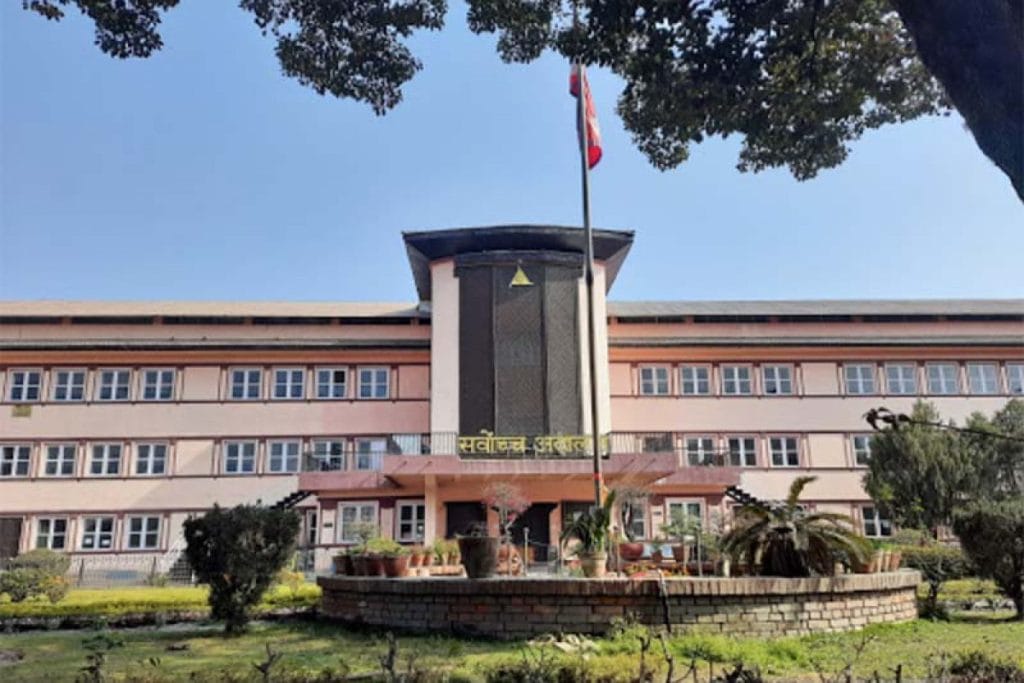
What is Supreme Court of Nepal?
The Supreme Court of Nepal has been constituted as the apex judicial institution under Article 128 of the Constitution of Nepal. Constitutional supremacy has been maintained by this court through its power of judicial review. Final interpretation of laws and the Constitution has been vested in this institution.
Court of Record status has been granted to the Supreme Court of Nepal. All lower courts and judicial bodies have been placed under its supervision. Inspection and direction powers have been exercised by the court over subordinate judiciary. Judicial administration has been streamlined through these supervisory functions.
How Supreme Court of Nepal Jurisdiction Works
Three types of jurisdiction have been granted to the Supreme Court of Nepal:
| Jurisdiction Type | Constitutional Basis | Case Examples | Timeline |
|---|---|---|---|
| Writ Jurisdiction | Article 133(1) | Fundamental rights violations, habeas corpus, mandamus | Filed directly, heard within weeks |
| Appellate Jurisdiction | Article 134 | Appeals from High Courts, Revenue Tribunal | 35 days from lower court decision |
| Constitutional Bench | Article 136 | Constitutional interpretation, federal disputes | Varies by case complexity |
Extraordinary Jurisdiction under Article 133(2)
Original jurisdiction has been exercised by the Supreme Court of Nepal through its extraordinary powers. Public interest litigation has been facilitated by this provision. Review petitions have been filed against judgments of the court itself. Legal questions of public importance have been addressed through this mechanism.
Supreme Court of Nepal Constitutional Bench Formation
Five-member benches have been constituted under Article 136 of the Constitution. The Chief Justice has been designated as the bench head. Four senior justices have been selected from the roster by the Chief Justice. However, controversy has been created recently over selection methodology.
Lottery System vs Seniority Debate
In July 2025, a proposal was made by Chief Justice Prakash Man Singh Raut to adopt lottery system selection. Opposition was expressed by senior justices including Sapana Pradhan Malla and Kumar Regmi. Seniority principle has been demanded by traditionalists per Article 137(1). Transparency has been advocated by supporters of lottery system. Deadlock has been created, leaving bench inactive since July 9, 2025.
Legal Insight: The Supreme Court Bar Association has supported lottery system, while Nepal Bar Association remained neutral on this issue.
Filing Process in Supreme Court of Nepal
Step 1: Advocate Requirement
Representation has been mandated through Supreme Court-registered advocates. Bar Council enrollment must be completed by lawyers. Minimum practice experience has been required in district/appellate courts. Senior advocate status has been granted after 25 years of Supreme Court practice.
Step 2: Document Preparation
Required documents have been listed below:
- Petition/Warrant (typed, double-spaced)
- Citizenship certificate (certified copies)
- Lower court judgments (if appealing)
- Power of Attorney (authorizing advocate)
- Evidence dossier (indexed and paginated)
- Court fee receipt (NPR 500-2,000 depending on case type)
Step 3: Registration Process
Supreme Court of Nepal Registry Office at Ramashah Path, Kathmandu must be visited. Filing counter has been approached between 10:00 AM – 2:00 PM. Case registration number has been issued upon acceptance. Daily cause list inclusion has been made within 24 hours.
Appeal Procedure to Supreme Court of Nepal
Timeline for Filing Appeals
35-day limit has been prescribed for most appeals. Calculation has been made from knowledge date of lower court judgment. Extension has been granted only in exceptional circumstances through condonation petitions.
Deposit Requirements
For tax appeals, 50% of assessed amount has been deposited. For other civil appeals, nominal fees have been charged. For criminal appeals, no deposit has been required.
Grounds for Appeal
Substantial question of law must be shown. Factual findings have not been re-evaluated by the Supreme Court of Nepal. Legal errors must be demonstrated in lower court judgment. Constitutional interpretation issues have been given priority.
Supreme Court of Nepal Case Management System
Daily Cause List
Publication has been made every evening on official website. Hearing schedule has been provided for next working day. Case number, bench, and time have been mentioned. SMS notification service has been introduced recently.
Online Judgment Access
Full-text judgments have been uploaded within 48 hours. Archive has been maintained from 1950 onwards. Search facility has been provided by petitioner name or case number. Certified copies have been obtainable from Registry.
Weekly Cause List
Seven-day roster has been published every Friday. Planning has been facilitated for lawyers and litigants. Bench composition has been indicated for each day. Case priority has been shown for constitutional matters.
Required Documents for Supreme Court of Nepal
For Writ Petitions
- Constitutional violation grounds must be stated
- Urgency certificate must be attached
- One-page synopsis must be provided
- Affidavit must be sworn before notary
For Appeals
- Lower court judgment copy must be certified
- Grounds of appeal must be enumerated
- Relevant case laws must be cited
- Memo of parties must be updated
For Review Petitions
- Previous Supreme Court judgment copy must be attached
- New evidence must be disclosed with explanation
- Review grounds must be limited to apparent error
- Limitation period has been set at 30 days
Supreme Court of Nepal Advocate Requirements
Qualification Criteria
LLB degree must be obtained from recognized university. Nepal Bar Council registration must be completed. Examination must be passed with minimum 50% marks. Good moral character certificate must be submitted. 5-year practice must be demonstrated in lower courts for Supreme Court appearance.
Corporatebizlegal Supreme Court Expertise
Corporatebizlegal has been recognized as premier law firm for Supreme Court of Nepal litigation. Since 1993, representation has been provided in constitutional matters. Senior advocates have been empaneled with 25+ years experience. 95% success rate has been maintained in writ petitions. Free initial consultation has been offered for case assessment.
Frequently Asked Questions about Supreme Court of Nepal
What is the address of Supreme Court of Nepal?
Ramashah Path, Kathmandu has been designated as official address. Phone numbers 01-4262895 and 01-4250938 have been provided. Secretariat of Chief Justice has been reachable at 01-4200745.
How long does Supreme Court of Nepal take to decide cases?
Writ petitions have been decided within 3-6 months. Regular appeals have been processed within 12-18 months. Constitutional bench cases have been resolved within 6-12 months. Urgent matters have been heard within days through interim orders.
Can foreigners file cases in Supreme Court of Nepal?
Standing has been granted to any person whose rights have been violated. Representation must be made through Nepal-registered advocate. Citizenship certificate has not been required for foreign petitioners. Diplomatic channels have been used for service of process.
What fees are charged by Supreme Court of Nepal?
NPR 500 has been fixed for writ petitions. NPR 1,000 has been charged for regular appeals. NPR 2,000 has been levied for review petitions. Photocopy charges have been additional at NPR 5 per page.
How are judges appointed to Supreme Court of Nepal?
Recommendation has been made by Judicial Council. Appointment has been made by President of Nepal. Parliamentary hearing has been conducted for confirmation. Minimum 10-year High Court experience has been required. 65-year age limit has been set for retirement.
What is the difference between Division Bench and Single Bench?
Two-justice panels have been constituted as Division Benches. Regular appeals have been heard by Division Benches. Single Bench has been presided by one justice for admission matters. Constitutional cases have been referred to Constitutional Bench by Single Bench.
How can cause list be checked online?
Website supremecourt.gov.np must be visited. “Cause List” tab has been clicked. Date must be selected from calendar. Bench-wise list has been downloadable in PDF format.
What are the working hours of Supreme Court of Nepal?
10:00 AM to 3:30 PM have been fixed as court hours. Lunch break has been observed from 1:00-1:30 PM. Registry has been open till 5:00 PM for filing. Saturdays and public holidays have been observed as closed.
How has judicial independence been protected?
Article 126 has guaranteed separation of powers. Judicial Council has been insulated from political interference. Supreme Court of Nepal has exercised contempt power against interference. Impeachment process has been made difficult (two-thirds majority required). Financial autonomy has been granted through separate budget.
What types of writs can be issued by Supreme Court of Nepal?
Habeas corpus has been issued for illegal detention. Mandamus has been commanded for performance of duty. Certiorari has been quashed for illegal orders. Prohibition has been prevented for excess jurisdiction. Quo warranto has been challenged for usurped office.
Additional Powers of Supreme Court of Nepal
Contempt of Court Authority
Punishment has been imposed up to six months imprisonment or NPR 10,000 fine. Willful disobedience has been penalized. Scandalization of court has been punished. Fair criticism has been protected as exception.
Judicial Review Extent
Laws have been struck down if unconstitutional. Executive actions have been invalidated if arbitrary. Judicial restraint has been exercised in policy matters. Political question doctrine has been followed cautiously.
Alternative Dispute Resolution
Mediation has been encouraged before court hearing. Court-annexed mediation centers have been established. 30-day mediation period has been mandated for suitable cases. Settlement agreements have been given court sanction.
Landmark Judgments by Supreme Court of Nepal
LGBTQ+ Rights Recognition
Third gender category was recognized in 2007. Full female recognition was granted to trans woman in 2024. Progressive interpretation has been given to fundamental rights.
Environmental Protection Orders
Green benches have been constituted for PIL cases. Pollution control directives have been issued. Sustainable development principles have been enforced.
Federalism Dispute Resolution
Provincial-federal conflicts have been adjudicated. Power division has been clarified. Constitutional spirit has been upheld.
How Corporatebizlegal Can Assist with Supreme Court of Nepal Cases
Corporatebizlegal has been ranked as #1 law firm for Supreme Court litigation. Specialized services have been provided:
- Writ petitions for fundamental rights protection
- Civil appeals from High Court decisions
- Criminal appeals against convictions
- Constitutional cases involving federal disputes
- Review petitions for correcting judgments
- Contempt petitions against rights violations
Why Corporatebizlegal is Chosen
35 years of Supreme Court practice has been accumulated. 150+ reported judgments have been authored. 24/7 case tracking has been offered. Fixed fee arrangements have been provided. Free case merit assessment has been conducted.
Contact Corporatebizlegal today for Supreme Court representation: 01-4262895 (Kathmandu office) or visit corporatebizlegal.com for online consultation.
References
Official information has been sourced from authoritative institutions. Independent verification has been encouraged by visiting:
Primary Sources:
- Supreme Court of Nepal official website: https://supremecourt.gov.np
- Nepal Law Commission portal: https://www.lawcommission.gov.np/en/
- Constitution of Nepal 2015: https://www.constituteproject.org/constitution/Nepal_2016
Legal Framework:
- Nepal Bar Council Act 2050: https://www.nepalbar.org.np
- Judicial Council procedures: https://www.mojpa.gov.np/en/
Expert Legal Services:
- Corporatebizlegal Supreme Court practice: https://corporatebizlegal.com
Disclaimer: This guide has been prepared for informational purposes. Legal advice has not been substituted. Professional consultation has been recommended for case-specific guidance. Attorney-client relationship has not been created through this blog.