

Table of Contents
Opening a café in Nepal can be an exciting venture in a country where coffee culture is rapidly growing, driven by urbanization, tourism, and a young population eager for social spaces. Whether you’re a local entrepreneur, a Non-Resident Nepali (NRN), or a foreign investor, understanding the investment requirements is essential to avoid financial pitfalls and ensure long-term success. This guide provides a detailed breakdown of costs, regulations, and strategies tailored to Nepal’s business landscape, with a focus on Kathmandu and other major cities.
Regulatory and Business Framework for Café Businesses in Nepal
Starting a café in Nepal falls under the hospitality and food service sector, governed by key laws and regulations to ensure food safety, business compliance, and consumer protection. The primary legal framework includes the Food Act, 2023, and the Food Hygiene and Quality Act, 2081 (2024), which emphasize hygiene standards and quality control. Additionally, the Industrial Enterprises Act and the Foreign Investment and Technology Transfer Act regulate business setup and foreign involvement.
Responsible authorities include:
- Department of Industry (DOI): Oversees business registration and foreign investment approvals.
- Company Registrar Office (OCR): Handles company incorporation.
- Inland Revenue Department (IRD): Manages tax registrations like Permanent Account Number (PAN) and Value Added Tax (VAT).
- Department of Food Technology and Quality Control (DFTQC): Issues food and beverage licenses.
- Local Municipal Offices: Grant trade licenses and handle local approvals.
Required licenses and permits typically include:
- Business registration (sole proprietorship, partnership, or private limited company).
- Food and Beverage License from DFTQC, requiring inspections for water quality, kitchen setup, staff health, and waste management.
- PAN and VAT registration (mandatory if annual turnover exceeds NPR 5 million).
- Trade License from the local municipality.
- Health and safety clearances, including fire safety if applicable.
For foreign investors, the minimum investment threshold is NPR 20 million (approximately USD 154,000), with approvals via an automatic route for investments up to NPR 500 million. These regulations ensure compliance but can be navigated efficiently with professional advice.
What Opening a Café in Nepal Involves and Why Investment Planning Matters
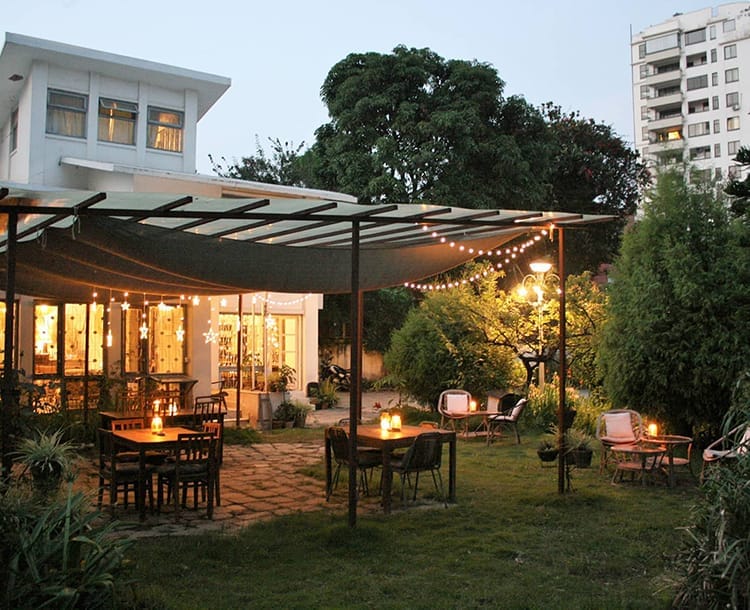
Opening a café entails selecting a location, registering the business, sourcing equipment and inventory, hiring staff, and launching operations. In Nepal’s evolving market, cafés blend local teas with international coffees, catering to tourists and urban professionals.
Understanding investment requirements is critical to prevent undercapitalization, which affects 3 out of 5 new businesses in their first year due to cost overruns. Proper budgeting helps cover unexpected expenses like renovations or delays in permits. This is ideal for local entrepreneurs leveraging Nepal’s growing coffee sector, NRNs returning with expertise, or foreign investors tapping into tourism hubs. Benefits include financial stability through accurate forecasting and legal compliance, reducing risks of penalties or closures.
Detailed Cost Breakdown for Opening a Café in Nepal
The total investment varies by scale, location, and concept. Based on current estimates, a low-budget café might start at NPR 500,000–1,000,000, a mid-range at NPR 1,000,000–3,000,000, and a premium at NPR 3,000,000+. Here’s a realistic breakdown:
| Category | Low-Budget Café (NPR) | Mid-Range Café (NPR) | Premium Café (NPR) | Notes |
|---|---|---|---|---|
| Business Registration and Legal Setup | 5,000–25,000 | 20,000–50,000 | 30,000–100,000 | Includes OCR fees, legal consultation, and insurance. Foreign setups add FDI approval costs. |
| Rental Costs (First 3 Months) | 60,000–150,000 | 150,000–300,000 | 300,000–600,000 | Kathmandu averages NPR 40,000–100,000/month; lower in other cities. |
| Interior Design and Renovation | 200,000–500,000 | 500,000–1,000,000 | 1,000,000–2,000,000 | Covers flooring, lighting, and basic aesthetics. |
| Furniture, Equipment, and Kitchen Setup | 200,000–500,000 | 500,000–1,500,000 | 1,500,000–3,000,000 | Espresso machines, ovens, fridges; imported items increase costs. |
| Raw Materials and Initial Inventory | 50,000–100,000 | 100,000–200,000 | 200,000–500,000 | Coffee beans, milk, snacks; organic options add 20–30%. |
| Staffing and Salary Expenses (First Month) | 50,000–100,000 | 100,000–200,000 | 200,000–400,000 | 3–5 staff at NPR 15,000–30,000/month each. |
| Licenses, Permits, and Compliance | 15,000–35,000 | 20,000–50,000 | 30,000–70,000 | Food license (NPR 2,000–5,000), PAN/VAT free but with admin costs. |
| Marketing and Branding | 20,000–50,000 | 50,000–100,000 | 100,000–200,000 | Social media, signage, launch events. |
| Working Capital and Contingency | 100,000–200,000 | 200,000–500,000 | 500,000–1,000,000 | Covers 3–6 months of operations for cash flow. |
| Total Estimated Investment | 700,000–1,660,000 | 1,640,000–3,900,000 | 3,860,000–7,870,000 | Adjust for inflation; 2026 figures based on trends. |
These figures assume a 500–1,000 sq ft space; scale up for larger venues.
Location-Based Investment Comparison for Cafés in Nepal
Location significantly impacts costs and revenue potential due to rent variations, foot traffic, and tourism.
- Kathmandu: Highest investment due to prime rents (NPR 50,000–100,000/month). High customer volume in areas like Thamel or Durbar Marg shortens break-even to 6–9 months, but competition is fierce.
- Pokhara: Tourist-friendly with lower rents (NPR 30,000–60,000/month). Ideal for lakeside cafés; seasonal peaks boost revenue, but off-season requires contingency funds. Total setup 20–30% less than Kathmandu.
- Lalitpur: Similar to Kathmandu but slightly cheaper rents (NPR 40,000–80,000/month). Urban vibe with steady locals; investment comparable but with better value in areas like Patan.
- Bhaktapur: Lowest costs (NPR 20,000–50,000/month rent) in heritage zones. Attracts tourists; setup 30–40% below Kathmandu, but lower volume extends break-even to 9–12 months.
- Other Cities/Tourist Hubs (e.g., Chitwan): Rents NPR 25,000–50,000/month; focus on eco-tourism for scalability.
Location affects break-even: Urban spots recover faster due to higher sales, while rural ones offer lower overheads.
Timeframes, Operating Costs, and Break-Even Analysis for Cafés in Nepal
Legally starting a café takes 1–3 months: 1–2 weeks for registration, 7–14 days for PAN/VAT, and 3–4 weeks for food license inspections.
Monthly operating costs average:
- Rent and utilities: NPR 50,000–100,000
- Staff salaries: NPR 100,000–200,000
- Ingredients: NPR 100,000–300,000
- Marketing/maintenance: NPR 20,000–50,000
- Total: NPR 270,000–650,000
Break-even period is typically 6–12 months, with a payback of 2 years. Profit margins: 20–30% after covering fixed costs (40–50% of revenue on rent/labor). Tips: Track contribution margins (selling price minus variable costs) and aim for 100–200 daily customers at NPR 200 average spend.
Licensing, Compliance, and Ongoing Costs for Café Operations in Nepal
Beyond initial setup, comply with:
- Food safety via DFTQC annual renewals (NPR 2,000–5,000).
- Tax obligations: 13% VAT on sales, income tax (1–36% based on profits).
- Labor laws: Minimum wage, provident fund for staff.
- Municipality approvals for signage and operations.
Ongoing costs include renewals (NPR 10,000–20,000/year), taxes (15–20% of revenue), and inspections. Non-compliance penalties can reach NPR 50,000–200,000.
Common Mistakes and Risk Factors in Starting a Café in Nepal
Common pitfalls include:
- Choosing poor locations with low foot traffic.
- Incomplete documentation leading to delays.
- Underestimating cost overruns (e.g., renovations).
- Ignoring market research, resulting in menu mismatches.
- Neglecting hygiene, risking fines.
Tips: Conduct site surveys, buffer 20% for contingencies, hire legal experts, and start small to test viability.
Strategic and Commercial Benefits of Café Businesses in Nepal
Cafés offer strong long-term potential in Nepal’s growing market, with coffee exports and urban demand rising. Profitability can reach 20–40% margins once established. Opportunities include branding for social media appeal, franchising (e.g., local chains), and scaling to multiple outlets. Expansion into tourist areas or online delivery boosts revenue, making it a scalable venture for ambitious owners.
FAQ
What is the minimum investment to open a café in Nepal?
Around NPR 500,000–1,000,000 for a low-budget setup, but plan for NPR 1,000,000+ to cover contingencies.
What are the legal requirements and licenses needed?
Business registration, food license from DFTQC, PAN/VAT, and municipal trade license.
How do costs differ by city in Nepal?
Kathmandu is priciest (20–30% higher than Pokhara or Bhaktapur due to rent and competition).
What is the profitability and break-even time for a café?
Break-even in 6–12 months; profits 20–30% with good management.
Can foreigners invest in a café business in Nepal?
Yes, with minimum NPR 20 million FDI and DOI approval; 100% ownership allowed in hospitality.
What are the tax and compliance obligations?
Register for PAN/VAT; pay 13% VAT and income tax. Annual renewals and inspections required.
This guide positions you for success in Nepal’s vibrant café scene. Consult professionals for personalized advice.