
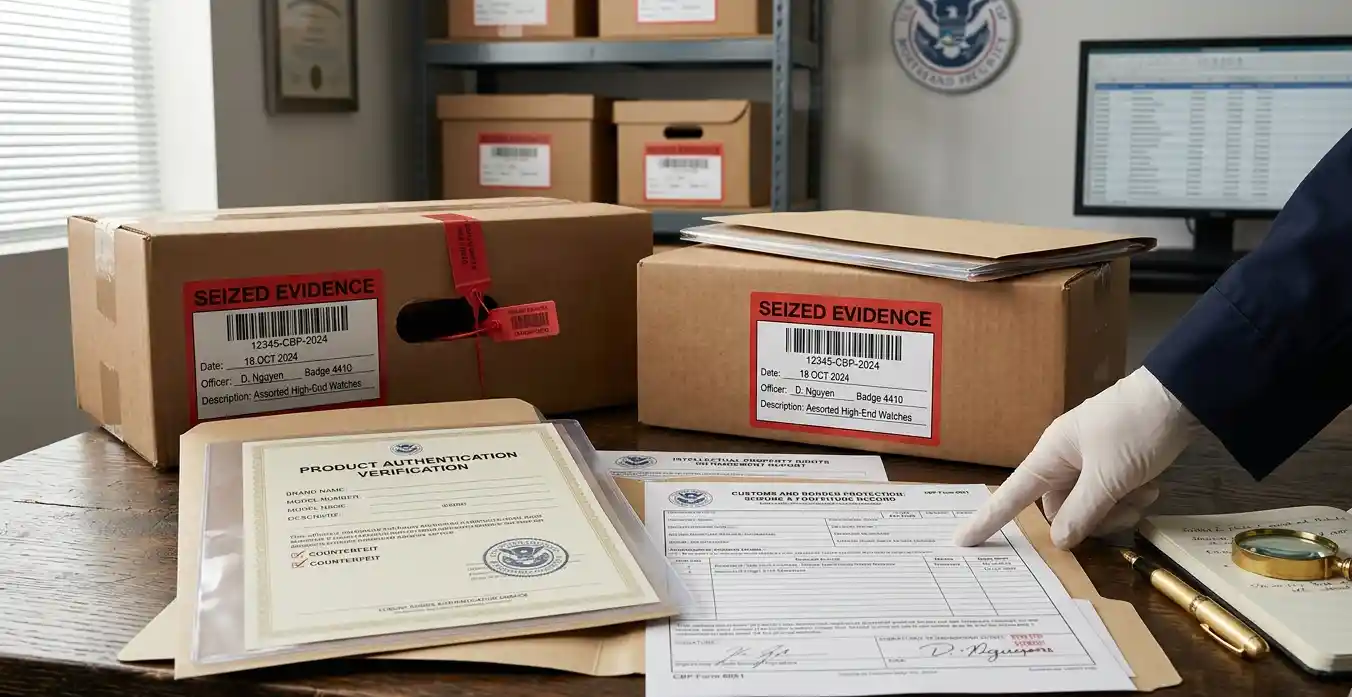
An anti‑counterfeiting lawyer helps you stop illegal copies by securing injunctions, seizure orders and criminal prosecutions under Nepal’s IP statutes. Our firm guides you through customs filings, court applications and post‑judgment enforcement to safeguard your brand and recover losses.
What is anti‑counterfeiting action in Nepal?
Anti‑counterfeiting action is the combination of civil and criminal steps—such as filing injunctions, seizing fake goods, claiming damages and prosecuting under the Consumer Protection Act 2075 and the Patent, Design and Trademark Act 2022 BS—to protect registered trademarks, designs or patents from unlawful replication in Nepal.
When should you engage an anti‑counterfeiting lawyer in Nepal?
- Customs detains a shipment and asks for proof of ownership.
- A competitor or retailer sends a cease‑and‑desist notice for alleged infringement.
- The Consumer Protection Board files a complaint that could lead to fines.
- Police open a criminal case for piracy and request legal representation.
- You need an urgent injunction from a District Court to halt sales.
How to initiate anti‑counterfeiting action in Nepal
- Pre‑action audit – Verify registration certificates, collect market evidence and decide whether to pursue civil, criminal or both routes.
- Evidence gathering – Obtain physical samples, invoices and photographs; notarise and translate them into Nepali.
- Regulatory filing – Submit a written complaint to the Department of Customs or the Consumer Protection Board within the statutory five‑day window.
- Injunction filing – Apply to the District Court under Section 9 of the Consumer Protection Act for a temporary restraining order.
- Criminal complaint – Prepare a police FIR and supporting annexes for prosecution under the Counterfeit Goods provisions.
trademark registration process
customs seizure procedures
Key authorities involved
- Department of Customs – Border seizure and destruction of counterfeit imports.
- Consumer Protection Board – Handles consumer‑side complaints and issues enforcement orders.
- District Courts – Grant civil injunctions and award damages.
- Supreme Court – Hears appeals on major IP rulings.
- Police & Attorney General’s Office – Conduct criminal prosecutions.
How our lawyers protect your brand
- Conduct a thorough infringement audit and confirm registration status.
- Draft pleadings that cite exact statutory provisions and liaise with customs for immediate detention.
- Issue cease‑and‑desist letters citing relevant case law and statutory sections.
- Manage every procedural step—from filing injunctions to presenting expert testimony—while providing cost forecasts.
- After judgment, enforce orders, arrange destruction of seized items and set up ongoing brand‑monitoring.
Fees and realistic timelines
- Consultation & assessment – Fixed fee.
- Court representation – Hourly or stage‑based billing.
- Customs seizure resolution – Approximately 2 weeks if certificates and translations are complete.
- Full court judgment – 3–6 months, provided the evidence packet meets notarisation requirements.
- Criminal prosecution – 6–9 months, due to forensic analysis and police review.
Common pitfalls and compliance risks
- Using an outdated registration certificate leads to rejected customs notices.
- Failing to notarise or translate evidence causes procedural objections.
- Missing the five‑day filing deadline for a consumer complaint forfeits enforcement rights.
- Sending a generic cease‑and‑desist letter without statutory citations weakens legal leverage.
- Overlooking the need for a police FIR when criminal liability exists limits punitive remedies.
- Ignoring post‑judgment monitoring allows counterfeit distributors to resume sales.
What clients receive
- A complete, notarised infringement dossier with translation certificates.
- Drafted and filed statutory complaints to customs, the Consumer Protection Board and the courts.
- Court‑issued injunctions, seizure orders and damage awards.
- Negotiated settlement agreements or cease‑and‑desist letters.
- Ongoing advisory reports on brand protection and market monitoring.