
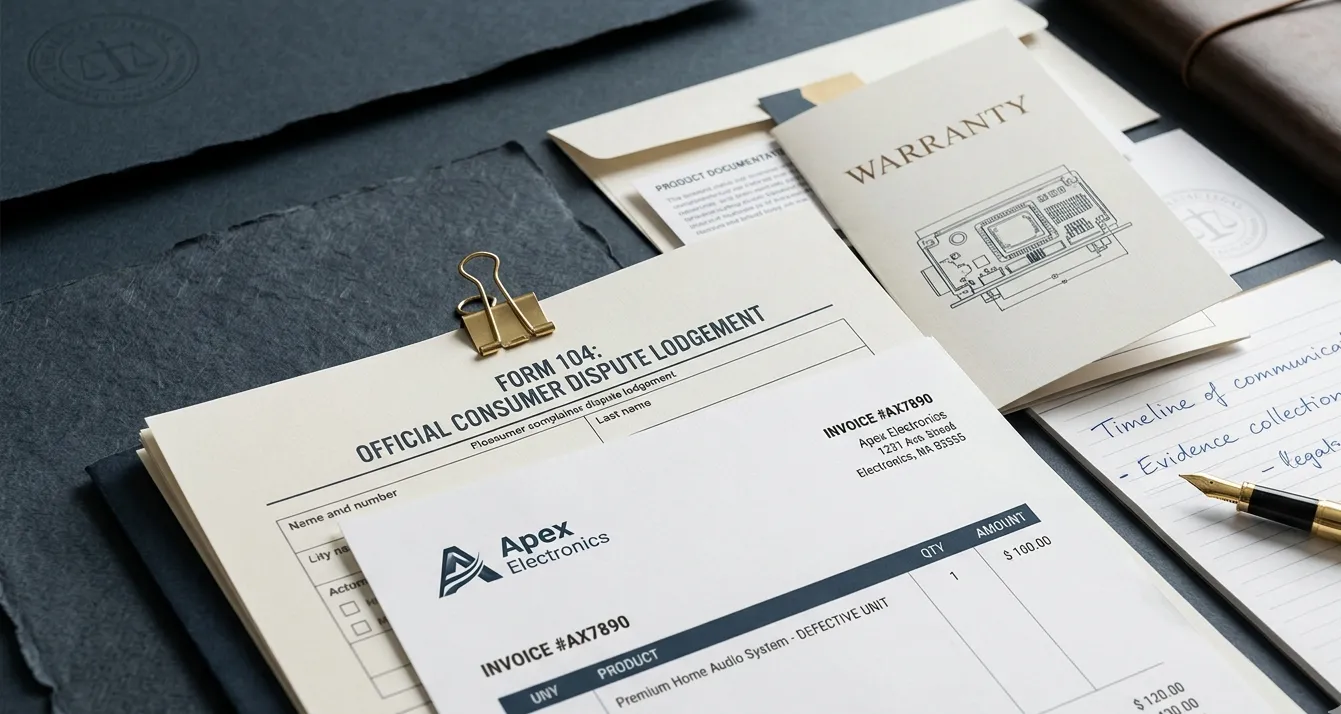
A consumer protection dispute in Nepal is a claim filed under the Consumer Protection Act 2075 when a seller or service provider breaches a consumer’s statutory rights. Our lawyers guide you through filing, mediation, and courtroom advocacy to secure compensation and enforce corrective orders.
What is Consumer Protection Dispute in Nepal?
Consumer protection disputes arise when a seller, manufacturer, or service provider violates the rights guaranteed by the Consumer Protection Act 2075. Such breaches—defective goods, false advertising, or unfair trade practices—are heard by the dedicated Consumer Court or its Complaints Committee, which can award damages, order recalls, or mandate corrective advertising.
When do you need a consumer court lawyer in Nepal?
- Defective or unsafe products – If a product causes injury or fails to meet advertised specifications, a lawyer assembles the evidence required for the Consumer Court.
- Misleading advertisements or hidden charges – Legal counsel drafts a complaint that satisfies the Act’s disclosure requirements.
- Unauthorized deductions or billing errors – For utility, telecom, or banking disputes, a lawyer frames the claim so statutory penalties apply.
- Failure to honour warranty or after‑sale service – Representation prevents dismissal on technical grounds.
- Collective grievances against a chain of retailers – A lawyer consolidates multiple complaints before the Complaints Committee, increasing bargaining power.
How to file a consumer protection dispute in Nepal
- Pre‑filing assessment – We collect receipts, warranty cards, and correspondence, confirming the claim falls within the NPR 5 million limit of the Consumer Court.
- Drafting and filing the complaint – A Nepali‑language complaint, signed and notarised, is submitted to the District Consumer Court in Kathmandu or the designated municipal Complaints Committee.
- Preliminary examination – The court verifies jurisdiction and may request missing documents; incomplete filings are returned, delaying the case.
- Mediation attempt – Under the Mediation Act 2068, the court orders parties to mediate; failure to attend can result in contempt.
- Hearing and evidence presentation – We present documentary proof, witness statements, and expert opinions, then cross‑examine the opposite party.
- Judgment and enforcement – The Consumer Court issues orders, which the Department of Consumer Protection enforces through asset seizure or product recall.
- Appeal (if necessary) – An aggrieved party may appeal to the High Court within the statutory period; we prepare the appellate brief and represent you.
[INTERNAL LINK: consumer complaint filing process → /consumer-protection/filing]
What our lawyers do for your consumer claim
- Conduct a rapid risk assessment to determine jurisdiction and estimate potential damages.
- Prepare a complaint that complies with the Act’s strict formatting and mandatory disclosures, reducing the chance of procedural dismissal.
- Negotiate during mediation, present evidence at trial, and challenge unfair defenses to maximise recovery.
Cost and timeline of a Consumer Court case
- Fees: Initial consultation is modest; thereafter we charge either hourly or by case stage, with full transparency. Simple claims may cost NPR 30,000, while complex multi‑party disputes can exceed NPR 200,000.
- Timeline: A straightforward defect claim often settles in 3–5 months; multi‑party advertising disputes can extend to 12 months or more. Appeals add another 4–6 months. Delays usually stem from missing documents, untranslated foreign manuals, or verification by the Department of Consumer Protection.
mediation requirements under Mediation Act 2068
Common mistakes and compliance risks
- Submitting an incomplete complaint (missing receipts or warranty copies).
- Filing in the wrong jurisdiction—some disputes belong to the District Consumer Court, others to a municipal Complaints Committee.
- Missing the two‑year limitation period prescribed by the Consumer Protection Act 2075.
- Skipping mandatory mediation, which can lead to case dismissal.
- Using untranslated foreign documents; the court requires certified Nepali translations.
- Failing to notify the Department of Consumer Protection, rendering enforcement orders ineffective.
What clients receive from our service
- A legally vetted, Nepali‑language complaint ready for filing.
- A complete docket of supporting documents, including certified translations.
- Regular status updates and briefing on any settlement offers.
- Final judgment copies, enforcement notices, and a compensation payment schedule if successful.