
Table of Contents
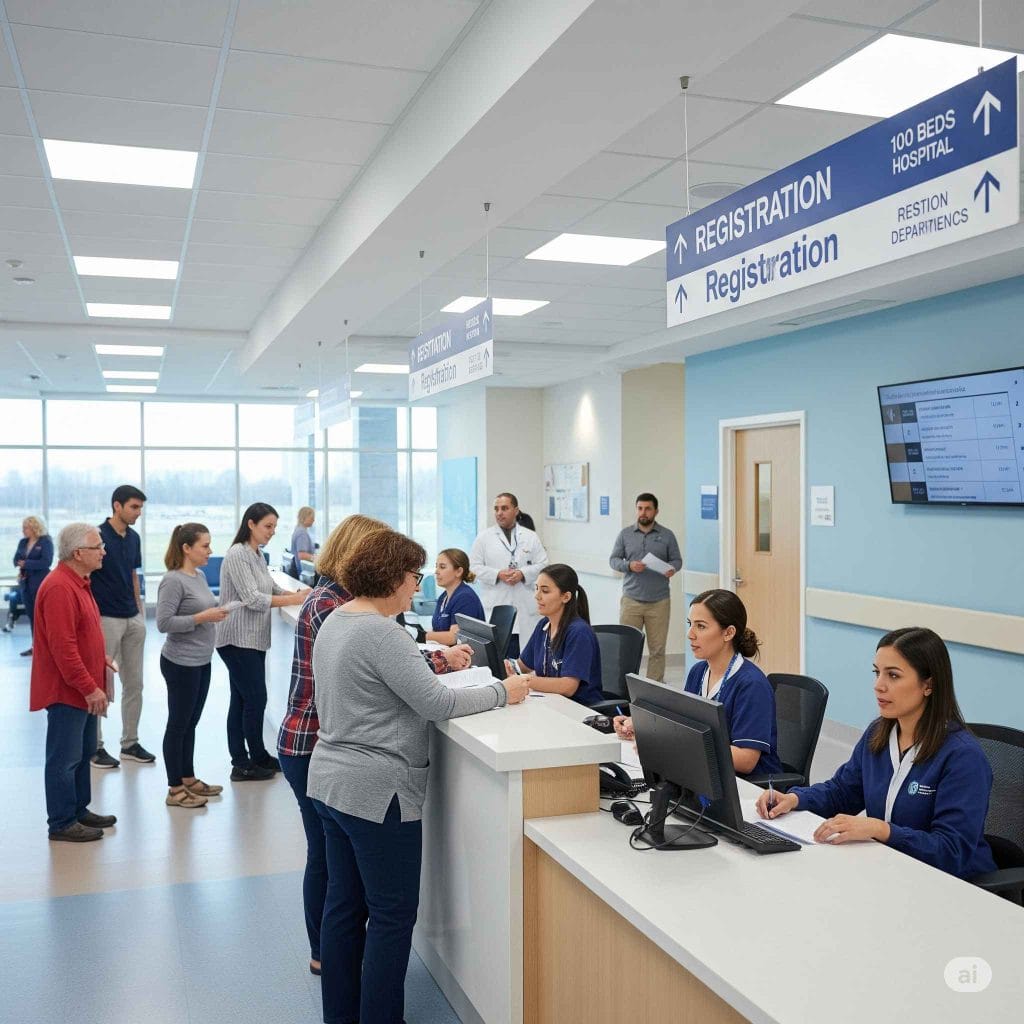
What is 100 Bed Hospital Registration in Nepal?
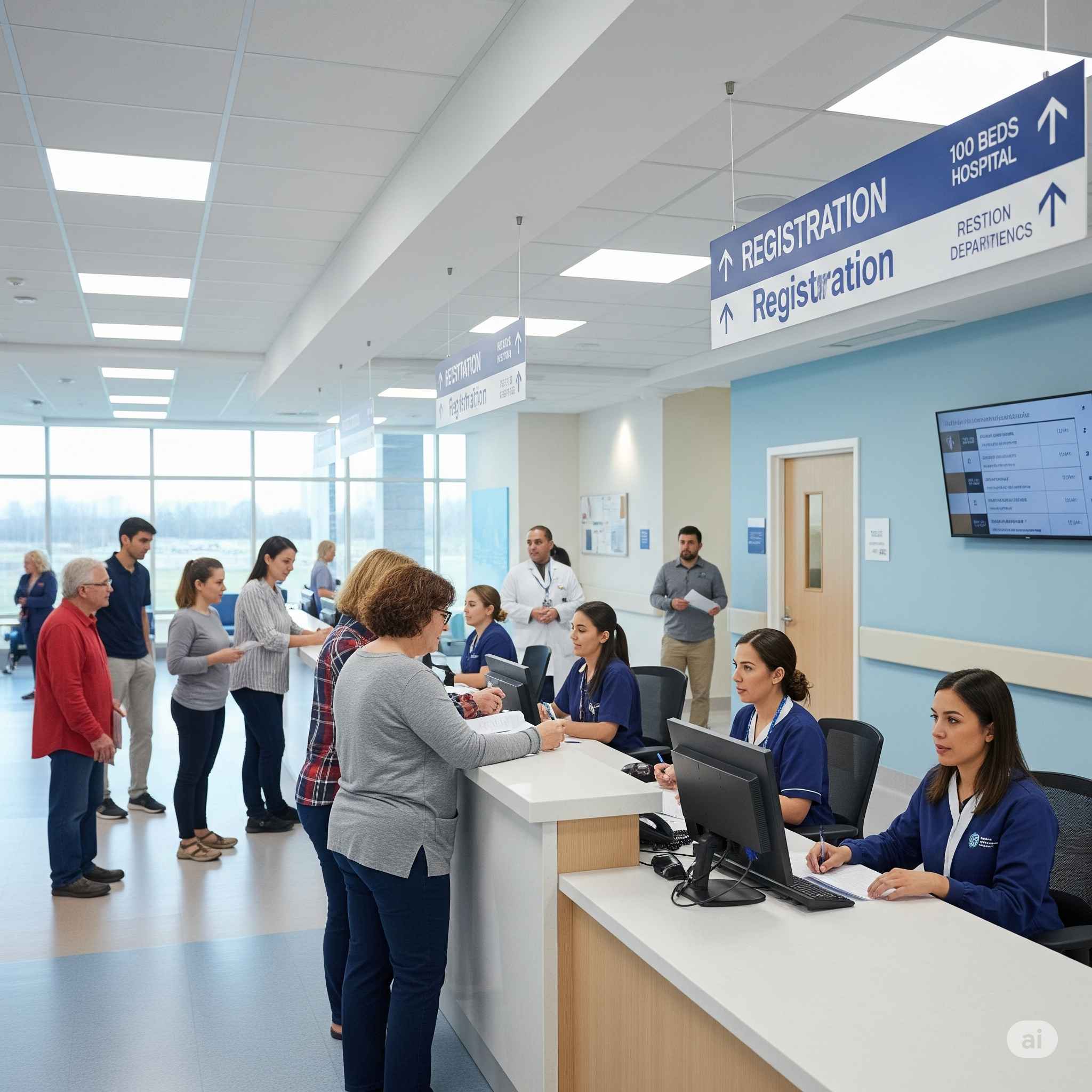
100 bed hospital registration in Nepal represents a comprehensive healthcare facility licensing process that enables private entities to operate mid-sized medical institutions. This registration category falls under the Ministry of Health and Population’s regulatory framework, specifically designed for healthcare facilities with capacity between 76-100 beds.
Healthcare entrepreneurs must navigate complex legal requirements when establishing such facilities. The 100 bed hospital registration Nepal process involves multiple regulatory bodies, stringent infrastructure standards, and substantial financial commitments. Requirements for this specialized registration include minimum bed capacity, qualified medical staff, essential equipment, proper infrastructure, waste management systems, and emergency facilities as per Ministry of Health guidelines.
Where Can 100 Bed Hospitals Be Registered in Nepal?
For 100 bed hospital registration Nepal, registration authorities vary based on the hospital’s operational scope and location. Provincial governments handle most facilities in this category, while specialized institutions may require federal-level approvals. The Department of Health Services (DoHS) serves as the primary regulatory body overseeing hospital registration processes nationwide.
Legal Framework for Hospital Registration
Public Health Service Act, 2075 (2018)
The cornerstone legislation governing hospital registration in Nepal is the Public Health Service Act, 2075. This comprehensive law establishes the regulatory framework for healthcare facility operations. The Government of Nepal has approved Public Health Service Regulation, 2077 to implement Public Health Service Act, 2075 (2018).
Key provisions include:
- Mandatory registration for all healthcare facilities
- Quality standards for medical services
- Infrastructure requirements for different facility categories
- Professional licensing requirements
- Patient safety protocols
Health Facility Operation Standards, 2077
The Ministry of Health and Population (MoHP) has endorsed the new standards for health facility operation. These standards define specific requirements for 100 bed hospital registration Nepal, including:
| Category | Requirement | Details |
|---|---|---|
| Infrastructure | Building Standards | Fire safety, accessibility, ventilation systems |
| Medical Equipment | Essential Equipment List | ICU equipment, diagnostic tools, emergency care |
| Staffing | Qualified Personnel | Doctors, nurses, technicians per bed ratio |
| Emergency Services | 24/7 Availability | Ambulance services, trauma care, critical care |
Step-by-Step Registration Process
Phase 1: Pre-Registration Requirements
Document Preparation forms the foundation of successful hospital registration. Applicants must compile comprehensive documentation demonstrating compliance with regulatory standards. Essential documents include:
- Land ownership certificates or long-term lease agreements
- Building construction permits from local municipalities
- Environmental impact assessments for larger facilities
- Fire safety certificates from relevant authorities
- Business registration certificates from company registrars
Phase 2: Technical Compliance Assessment
Infrastructure evaluation constitutes a critical component of the registration process. Government inspectors assess:
- Building specifications meeting seismic resistance standards
- Medical gas pipeline systems for oxygen and vacuum
- Waste management facilities for biomedical waste disposal
- Power backup systems ensuring uninterrupted services
- Water treatment facilities meeting health standards
Phase 3: Professional Licensing Verification
Medical staff credentials undergo rigorous verification through the Nepal Medical Council. Requirements include:
| Position | Minimum Qualification | Registration Required |
|---|---|---|
| Medical Director | MBBS + 5 years experience | Nepal Medical Council |
| Specialist Doctors | Post-graduate degrees | Specialty board certification |
| General Practitioners | MBBS degree | Nepal Medical Council |
| Chief Nursing Officer | PCL/Bachelor in Nursing | Nepal Nursing Council |
Phase 4: Financial Compliance
Capital requirements for 100 bed hospital registration Nepal are substantial. For 50-100 bed facilities with specialty departments, capital requirements can exceed NPR 150-250 million. This includes land, construction, equipment, and initial operating capital.
Financial documentation must demonstrate:
- Paid-up capital meeting minimum thresholds
- Bank guarantees for operational sustainability
- Insurance coverage for medical malpractice
- Equipment purchase agreements with certified suppliers
Infrastructure Requirements
Physical Infrastructure Standards
Building specifications must comply with National Building Code requirements. Critical elements include:
Ground Floor Requirements:
- Emergency department with trauma bays
- Outpatient consultation rooms (minimum 20)
- Pharmacy and laboratory facilities
- Administrative offices and reception areas
Upper Floor Specifications:
- Patient wards with appropriate bed spacing
- Operating theaters with laminar air flow
- Intensive care units with monitoring systems
- Isolation rooms for infectious diseases
Medical Equipment Standards
Essential equipment lists vary by specialty services offered. Mandatory equipment includes:
| Department | Essential Equipment | Quantity |
|---|---|---|
| Emergency | Defibrillators, Ventilators | 2-3 units each |
| ICU | Patient monitors, Infusion pumps | Per bed requirement |
| OR | Anesthesia machines, Surgical tables | Minimum 2 theaters |
| Laboratory | Automated analyzers, Microscopes | Standard panel |
Technology Infrastructure
Digital health systems integration has become mandatory for modern hospitals. Requirements include:
- Hospital Information Systems (HIS) for patient management
- Electronic Medical Records (EMR) with backup systems
- Telemedicine capabilities for remote consultations
- Laboratory Information Systems for test management
Staffing Requirements and Standards
Medical Staff Requirements
Doctor-to-bed ratios are strictly regulated for facilities pursuing 100 bed hospital registration Nepal. Minimum requirements include:
- Medical Director: Full-time position with administrative experience
- Resident Doctors: Minimum 8-10 doctors for 24/7 coverage
- Specialist Consultants: Based on departments offered
- Emergency Physicians: Minimum 2 for round-the-clock coverage
Nursing Staff Standards
Nurse-to-patient ratios vary by department type:
| Department | Nurse-Patient Ratio | Shift Coverage |
|---|---|---|
| General Ward | 1:8-10 patients | 3 shifts daily |
| ICU | 1:2-3 patients | Continuous |
| Emergency | 1:4-5 patients | 24/7 coverage |
| Operating Room | 2 per theater | Per procedure |
Support Staff Requirements
Technical and administrative staff ensure smooth operations:
- Laboratory technicians certified by Nepal Medical Laboratory Association
- Pharmacy staff registered with Department of Drug Administration
- Radiology technicians licensed for equipment operation
- Administrative personnel for patient services and billing
Financial Investment and Cost Analysis
Initial Capital Requirements
Investment thresholds for 100 bed hospital registration Nepal vary significantly based on location and services offered. Urban facilities typically require higher investments due to land costs and infrastructure demands.
Cost Breakdown:
| Component | Percentage of Total | Estimated Cost (NPR) |
|---|---|---|
| Land and Building | 40-50% | 80-125 million |
| Medical Equipment | 25-30% | 50-75 million |
| Interior and Furniture | 10-15% | 20-30 million |
| Working Capital | 15-20% | 30-40 million |
Operational Expenses
Monthly operational costs require careful planning for sustainability:
- Staff salaries: 40-50% of operational expenses
- Utilities and maintenance: 15-20% of monthly costs
- Medical supplies: 20-25% of revenue
- Administrative expenses: 10-15% of operational budget
Revenue Projections
Financial viability depends on patient volume and service mix:
- Average bed occupancy: 70-80% for financial sustainability
- Revenue per bed per day: NPR 8,000-15,000 (varies by services)
- Break-even timeline: Typically 3-5 years for well-managed facilities
Regulatory Compliance and Quality Standards
Ministry of Health Guidelines
Compliance monitoring occurs through regular inspections and audits. Key areas include:
- Clinical quality indicators tracking patient outcomes
- Infection control measures preventing healthcare-associated infections
- Emergency preparedness for disaster response
- Waste management protocols ensuring environmental safety
Accreditation Requirements
Quality certification enhances hospital credibility and patient trust:
- National Hospital Accreditation Program by Department of Health Services
- ISO certification for quality management systems
- Joint Commission International standards for international recognition
If You want To Open Travel Agency Also Read
- Travel Agency Registration in Nepal
- How to Start Travel Company in Nepal
- Travel and Tour Company Registration in Nepal
- Tourism License in Nepal
- Travel and Tourism Registration
Ongoing Compliance Obligations
Regular reporting requirements include:
| Report Type | Frequency | Submitted To |
|---|---|---|
| Patient Statistics | Monthly | Department of Health Services |
| Financial Reports | Quarterly | Tax authorities |
| Quality Indicators | Bi-annually | Ministry of Health |
| Staff Updates | As needed | Professional councils |
Common Challenges and Solutions
Regulatory Hurdles
Bureaucratic delays often extend registration timelines. Effective strategies include:
- Professional legal assistance for documentation preparation
- Regular follow-up with regulatory authorities
- Complete documentation submission to avoid rejections
- Stakeholder engagement with local government officials
Financial Constraints
Funding arrangements require creative approaches:
- Bank financing with medical facility-specific loan products
- Private equity partnerships for capital infusion
- Equipment leasing to reduce initial investments
- Government incentives for healthcare development
Technical Challenges
Infrastructure development in remote areas faces unique obstacles:
- Skilled labor shortage for specialized construction
- Equipment transportation to difficult terrains
- Utility connections for power and telecommunications
- Maintenance support for sophisticated medical equipment
Recent Regulatory Changes (2024-2025)
Updated Guidelines
Policy modifications reflect evolving healthcare needs:
- Telemedicine integration requirements for rural connectivity
- Digital health record mandates for patient data management
- Emergency preparedness standards following pandemic lessons
- Environmental sustainability requirements for new facilities
Simplified Procedures
Government initiatives aim to streamline registration processes:
- Single-window clearance for multiple approvals
- Online application systems reducing paperwork
- Timeline commitments for processing applications
- Feedback mechanisms for applicant concerns
Success Stories and Case Studies
Star Hospital Model
Star Hospital was established in 2007 as a 50-bedded, multispecialty hospital. On May 30, 2017, the hospital shifted to its own premises in Sanepa-2, Lalitpur. It is the first hospital to meet the standards set by the Ministry of Health and Population of Nepal. Our 100-bedded hospital has 22 specialty centres and features state-of-the-art modular operation theatres.
This transformation demonstrates successful scaling from 50 to 100 beds while maintaining regulatory compliance and service quality.
Key Success Factors
Successful hospital registrations typically share common characteristics:
- Experienced management teams with healthcare backgrounds
- Adequate financial planning with contingency reserves
- Community engagement building local support
- Technology adoption for operational efficiency
FDI In Nepal| CIT Nepal | SIP Nepal | Kanoon Nepal
Future Trends and Opportunities
Market Opportunities
Healthcare demand continues growing due to:
- Population aging increasing chronic disease burden
- Economic development improving healthcare affordability
- Insurance expansion covering more medical services
- Medical tourism attracting international patients
Technology Integration
Digital transformation creates new possibilities:
- Artificial intelligence for diagnostic support
- Robotics in surgical procedures
- IoT devices for patient monitoring
- Blockchain for secure health records
Government Support Initiatives
Policy incentives encourage private healthcare investment:
- Tax benefits for healthcare facility development
- Land allocation at subsidized rates
- Infrastructure support for utilities and connectivity
- Training programs for healthcare workforce development
Expert Legal Assistance for Hospital Registration
Professional guidance proves invaluable throughout the complex registration process. Experienced legal practitioners specializing in healthcare law provide:
- Comprehensive compliance audits identifying potential issues
- Documentation preparation ensuring completeness and accuracy
- Regulatory liaison facilitating smoother approval processes
- Ongoing compliance support maintaining legal requirements
Success rates increase significantly with professional assistance, reducing delays and avoiding costly mistakes that can derail registration applications.
Choosing the Right Legal Partner
Selection criteria for legal assistance include:
- Healthcare law specialization with proven track records
- Government relations facilitating regulatory interactions
- Multi-disciplinary teams covering all aspects of registration
- Transparent fee structures with clear deliverables
Conclusion
100 bed hospital registration in Nepal requires comprehensive planning, substantial investment, and meticulous attention to regulatory compliance. Success depends on understanding complex legal requirements, maintaining financial sustainability, and delivering quality healthcare services.
The healthcare sector in Nepal presents significant opportunities for private investment, supported by growing demand and government incentives. However, entrepreneurs must navigate challenging regulatory frameworks while maintaining focus on patient care and operational excellence.
Professional guidance throughout the registration process significantly improves success rates and reduces implementation timelines. With proper planning, adequate resources, and expert assistance, establishing a 100-bed hospital in Nepal can contribute meaningfully to the nation’s healthcare infrastructure while generating sustainable returns for investors.
The evolving regulatory landscape continues to emphasize quality care, patient safety, and technological integration. Future-ready hospitals must incorporate these elements from the design phase to ensure long-term viability and regulatory compliance.
Frequently Asked Questions
How long does 100 bed hospital registration take in Nepal?
The complete 100 bed hospital registration Nepal process typically takes 8-12 months, depending on documentation completeness and regulatory approval timelines. Pre-planning and professional assistance can reduce this duration significantly.
Q2:
Q3:
Q4:
Q5:
Q7:
What is the minimum investment required for 100 bed hospital registration?
For 100 bed hospital registration Nepal, initial investment ranges from NPR 150-250 million, including land, construction, equipment, and working capital. Urban locations require higher investments due to increased land costs.
Can foreign investors register 100 bed hospitals in Nepal?
Yes, foreign investment is permitted in healthcare sector with certain restrictions for 100 bed hospital registration Nepal. Foreign investors must comply with Foreign Investment and Technology Transfer Act requirements and obtain necessary approvals.
What are the ongoing compliance requirements after registration?
Regular reporting to health authorities, staff licensing renewals, equipment calibration, quality audits, and annual registration renewals are mandatory ongoing requirements.
Are there specific location requirements for 100 bed hospitals?
For 100 bed hospital registration Nepal, hospitals must be located in areas with adequate infrastructure, emergency access routes, and utility connections. Municipal zoning regulations also apply for healthcare facility locations.
What specialties can 100 bed hospitals offer?
Facilities with 100 bed hospital registration Nepal can offer multiple specialties including internal medicine, surgery, pediatrics, obstetrics-gynecology, orthopedics, and emergency services, subject to specialist availability and equipment.
What happens if a hospital fails inspection?
Facilities failing inspection receive improvement notices with specific timelines for compliance. Repeated failures may result in registration suspension or cancellation.
Can hospitals operate during the registration process?
Limited operations may be permitted with provisional licenses, but full services require complete registration approval from relevant authorities.
Are there financing options available for hospital development?
Banks offer healthcare facility loans, development finance institutions provide long-term funding, and government schemes support healthcare infrastructure development in underserved areas.
How are hospital registration fees calculated?
Registration fees are based on bed capacity, services offered, and location. Additional fees apply for specialized services and annual renewal.
Was this article helpful?
Let us know what you think!