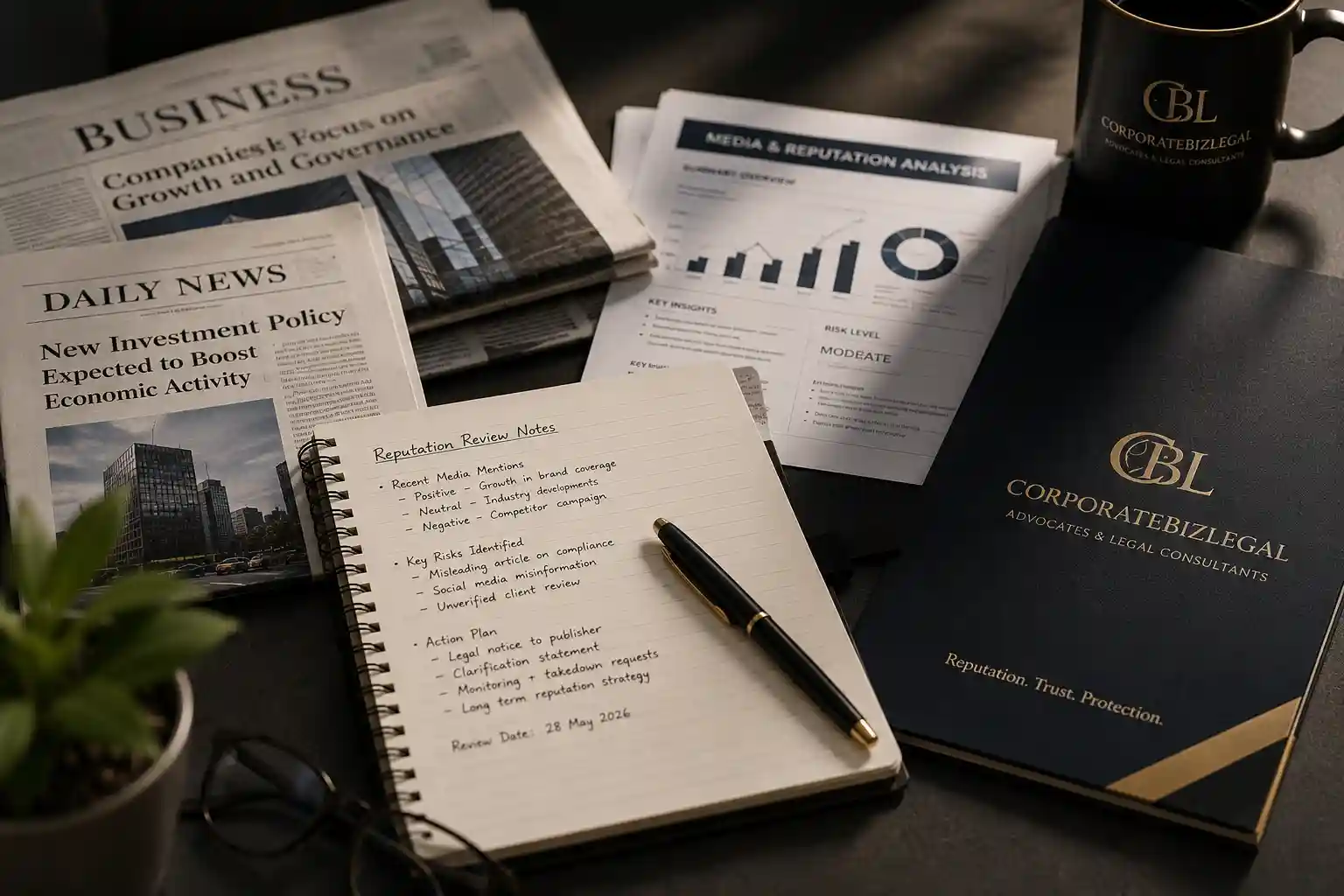
Defamation & reputation‑management cases in Nepal involve civil or criminal actions against false statements that harm a person’s or business’s standing. Under the Civil Code (2074) and Criminal Code (2074), a plaintiff can seek injunctions, damages, and corrective notices to stop further harm and restore reputation.
TL;DR:
Defamation in Nepal is a false, published statement that damages reputation and can be pursued through civil or criminal courts. Our firm helps you gather evidence, file the correct pleadings, and secure injunctions or compensation while navigating Nepali procedural rules.
Understanding Defamation & Reputation Management under Nepali Law
Defamation is covered by the Civil Code (2074) for liability and the Criminal Code (2074) for offences. A statement must be false, communicated to a third party, and cause reputational harm. Remedies include injunctions, damages, and court‑ordered corrections, often pursued in the District Court (जिल्ला अदालत) or higher courts if appealed.
When Should You Engage a Defamation Lawyer in Nepal?
- A competitor publishes a false claim that diverts customers.
- A former employee spreads unverified remarks on social media, affecting future hiring.
- A supplier alleges non‑existent quality issues, leading to contract termination.
- A government notice contains inaccurate information that threatens a licence.
- An online review platform refuses to remove defamatory content after repeated requests.
Act quickly to preserve digital screenshots, witness affidavits, and contractual evidence.
How to Navigate the Defamation Litigation Process in Nepal
- Pre‑filing assessment – Review the alleged statement, collect screenshots, affidavits, and relevant contracts. Decide between a civil suit, a criminal complaint, or both.
- Drafting the plaint or FIR – Prepare a plaint for the District Court or an FIR for the police, including certified translations for foreign‑language material.
- Filing with the appropriate court – Submit two original copies to the District Court; missing a copy can cause a week‑long return. Criminal complaints start with the police and may be transferred to the District Court for trial.
- Service of process – Serve the defendant formally; document each step per the Civil Procedure Code to avoid two‑month delays caused by unlocated corporate offices.
- Evidence submission & witness examination – Present timestamped screenshots, expert analyses, and witness statements. The court may order mediation under the Mediation Act 2068.
- Judgment and enforcement – If the court finds defamation, it can grant an injunction, award damages, and order a public correction. Enforcement is handled by the District Court’s execution office; appeals move to the High Court and, if necessary, the Supreme Court.
filing a civil plaint in Nepal
What Are the Costs and Timelines for Defamation Cases?
- Fees – Initial consultations are hourly; later stages may be fixed‑fee or contingency, depending on evidence volume and number of defendants.
- Timeline – A civil case typically spans 4–8 months to judgment, but backlogs or appeal filings can extend beyond a year. Criminal proceedings often last longer due to police investigation and possible transfers to higher courts.
Providing authenticated copies, notarised translations, and a clear defendant identification reduces delays.
Common Pitfalls and Compliance Risks
- Insufficient evidence – Opinions without factual proof weaken the claim.
- Improper service – Failure to document service can lead to dismissal of the plaint.
- Ignoring criminal parallel – Filing only a civil suit when criminal liability exists limits remedies.
- Delayed filing – The three‑year limitation period for civil defamation under the Civil Code is strict; missing it bars the claim.
- Unverified translations – Courts reject foreign‑language excerpts lacking certified Nepali translation.
- Overlooking injunction requirements – Courts grant injunctions only when immediate irreparable harm is demonstrated.
Our Practical Approach for Plaintiffs and Defendants
We conduct a forensic review of the offending content, identify the legal basis, and estimate likely damages. Our team prepares and files the plaint or FIR, ensures every procedural rule is met, and coordinates with media outlets for corrective notices. We appear at hearings, negotiate settlements, and, when necessary, obtain injunctions.
media correction procedures